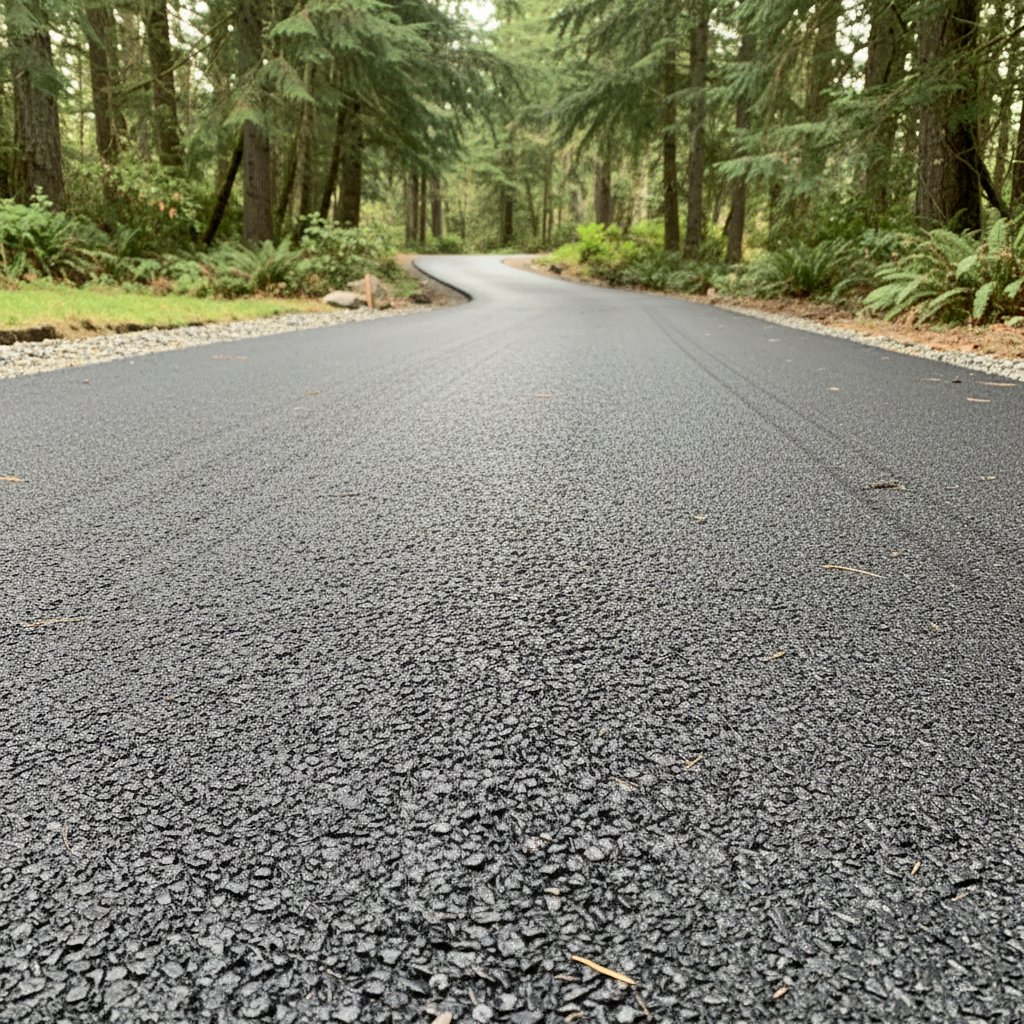
So, you're looking at that old, cracked-up driveway, huh? Or maybe you're planning a brand-new one from scratch. Either way, it's a big project, I totally get it. And naturally, you're probably asking yourself, "What can I tackle myself to save some cash, and what absolutely needs a professional's touch?" That's a smart question, and honestly, it's one I hear all the time around Naselle.
Before the Shovel Hits the Dirt: Planning Your Driveway
No work should start until you've got a solid plan. This isn't just about where the driveway goes; it's about making sure it actually holds up for years. Here's what you really need to think about:
- Permits: Seriously, don't skip this step. Call your county or city planning department. You definitely don't want to lay down a beautiful new driveway only to find out later you have to rip it all up because you missed some paperwork. It's a hassle, but it's a necessary one.
- Drainage: This is super important, especially with all the rain we get around here. You absolutely have to figure out how water will flow off and away from your house and foundation. Standing water is the absolute worst enemy of any paved surface. If your property has a slope, you might need to consider culverts or careful grading. This isn't just about keeping your driveway dry, you know; it's about protecting your home's foundation too.
- Excavation & Base Prep: A lot of folks think they can save money here, and sometimes you can, but be honest with yourself about what you can actually do. You'll need to dig out any old material, or just clear the area if it's a new build. After that, you need a really solid, compacted base. Think crushed rock, usually 6-8 inches thick, depending on how much traffic your driveway will see. Getting this perfectly level and compacted is absolutely critical. If the base isn't right, your asphalt won't last. Simple as that. I've seen plenty of driveways fail in just a few years because the base wasn't done correctly.
For the planning and permit stuff, that's all on you. When it comes to drainage and base prep, sure, you *can* do some of it. Clearing brush, maybe even some light digging if you're strong and have the right tools. But for precise grading, laying down, and compacting a thick, even base? That's usually where I'd tell people to call in the pros. We've got the heavy equipment — excavators, graders, rollers — that make quick, accurate work of it. Trying to do that with a shovel and a rented plate compactor for a big area? You'll be at it for weeks, and it still might not be quite right.
During the Paving: Leave This to the Experts
Alright, let's be straight: Laying asphalt is not a DIY job. I'm talking about hot mix asphalt, the stuff that gives you a real, durable driveway. Here's why:
- Equipment: You need specialized equipment, period. An asphalt paver, rollers that weigh tons, and trucks to deliver the hot mix. You're just not going to rent this stuff at your local hardware store.
- Material: Hot mix asphalt arrives at around 300 degrees Fahrenheit. It cools down fast, which means you've got a very limited window to spread and compact it correctly. This isn't like pouring concrete where you can take your sweet time. You need a crew that knows exactly what they're doing, and they need to work fast and efficiently.
- Skill & Experience: Getting the thickness just right, making sure it's properly compacted, creating smooth transitions, and ensuring the surface drains correctly — that takes years of experience. A poorly laid asphalt driveway will crack, rut, and fail way too soon. It's just not worth the headache or the wasted money, is it?
This is exactly where companies like Premium Asphalt come in. We've got the equipment, the trained crews, and the know-how to get it done right the first time. We even understand the local conditions, like how the clay soils common in some parts of Naselle can really affect drainage and base stability. You wouldn't try to build your own house from scratch without experience, and paving a driveway is pretty similar in complexity if you want it to last.
After the Paving: Protecting Your Investment
Once your beautiful new driveway is in, the work isn't completely over. Now it's all about maintenance. This is where you can definitely take charge.
- Curing Time: Give your new asphalt time to cure. We'll tell you exactly how long, but generally, stay off it for a few days, and avoid parking heavy vehicles on it for a week or two. And don't turn your steering wheel sharply when the vehicle is stationary — that can scuff up the new surface.
- Cleaning: Keep it clean, seriously. Sweep off leaves, dirt, and debris regularly. Don't let oil or gas spills sit; clean them up quickly. These chemicals can actually break down the asphalt binder.
- Cracks & Potholes: Even the best driveways can develop small cracks over time. Address them early! Small cracks can be sealed with a good quality crack filler you can buy at most home improvement stores. If you let them go, water gets in, freezes, expands, and turns a small crack into a big pothole. For larger repairs or significant damage, that's when you'd call us again.
- Sealcoating: This is a big one for making your driveway last longer. Sealcoating protects the asphalt from UV rays, water, and chemicals. You can absolutely do this yourself if you're handy and have the time. It involves cleaning the driveway thoroughly, letting it dry, and then applying the sealcoat with a squeegee or sprayer. It's a bit of work, but it's totally manageable for a homeowner and makes a huge difference in how long your driveway lasts and looks good.
So there you have it. You can handle a lot of the upfront planning and a good chunk of the ongoing maintenance. But for the actual heavy lifting of excavation, base prep, and especially the paving itself, trust me, you want to bring in the pros. It'll save you money and headaches in the long run.