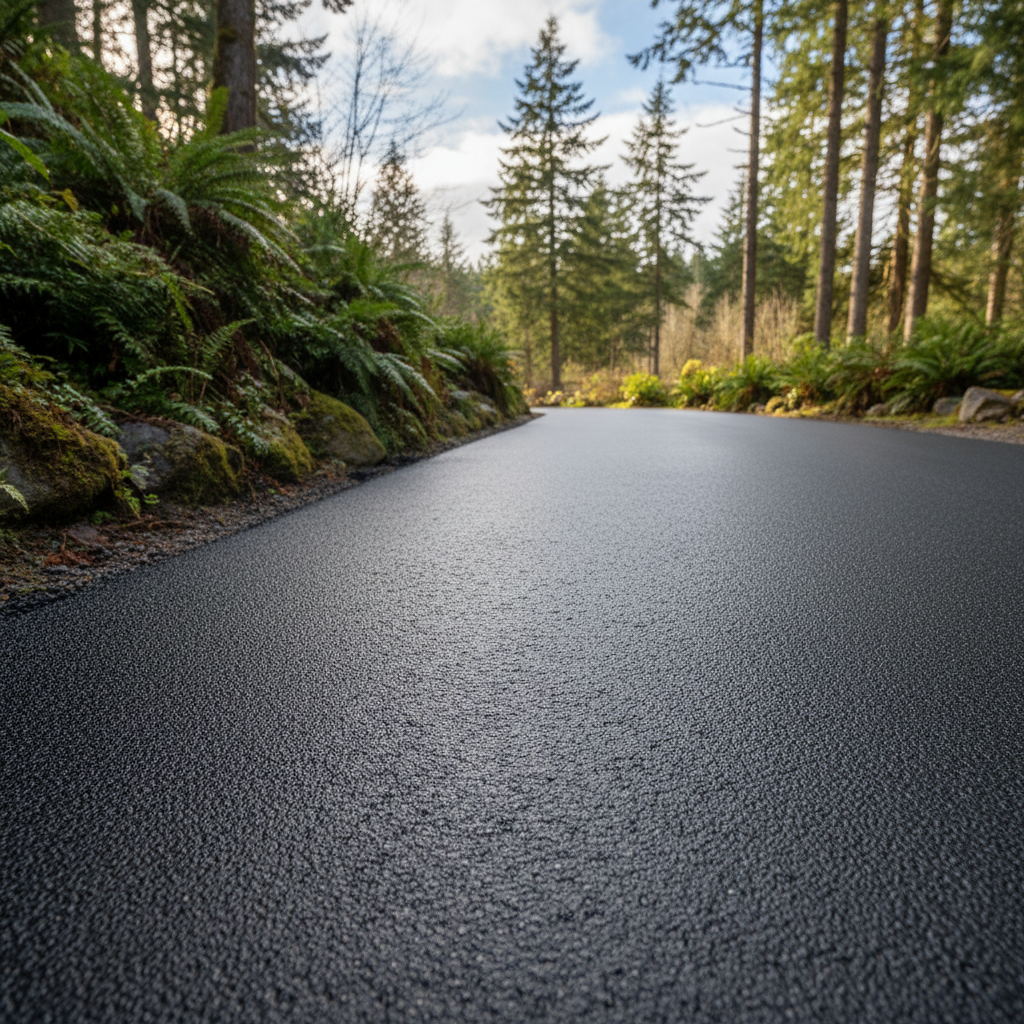
Alright, let's talk slurry coating. I get a lot of questions about this, and it's a good thing to understand, especially around here where the weather can really beat up a driveway. It's not just some fancy term, you know; it's a real workhorse for protecting your asphalt. So, I've pulled together the most common questions I hear from folks in Naselle, and I'm gonna give you the straight scoop.
What exactly is slurry coating, and how is it different from sealcoating?
This is probably the number one question I get. Think of sealcoating as a thin, protective paint job for your driveway. It's usually a black, liquid asphalt emulsion that goes on pretty thin, mostly to protect against UV rays and minor spills, and to make it look nice and new again. It's good stuff, don't get me wrong, and we do a lot of it.
Slurry coating, though, is a whole different animal. It's a much thicker, more substantial mixture. We're talking about a blend of asphalt emulsion, fine aggregates (like sand or crushed slag), water, and some chemical additives. Because of those aggregates, it's got more body to it. It doesn't just seal the surface; it actually fills in small cracks, smooths out minor imperfections, and provides a new, durable wearing surface. It's like putting a new, thin layer of asphalt on top of your existing one, but without the cost and disruption of a full overlay.
When is the best time of year to apply a slurry coat in Naselle?
Timing is everything with this stuff, especially with our Naselle weather. You need a stretch of dry, warm weather for the slurry to cure properly. I usually tell folks that late spring through early fall is your window. We're looking for consistent daytime temperatures of at least 50°F and rising, and no rain in the forecast for at least 24-48 hours after application. The ground temperature matters too. Trying to put it down when it's too cold or wet, like in the dead of winter or during our long, drizzly springs, is just asking for trouble. It won't cure right, it won't bond, and you'll have wasted your money. I've seen plenty of folks try to rush it, and it never ends well.
How long does a slurry coat last, and how often should I reapply it?
A properly applied slurry coat, done right by a company like Premium Asphalt, can last anywhere from 5 to 10 years. That's a pretty big range, I know, but it really depends on a few things: the quality of the original asphalt, how much traffic your driveway sees, and how well you maintain it. If you've got a busy family with multiple cars coming and going all day, or heavy trucks, it's going to wear down faster than a driveway that just sees light use. I usually recommend homeowners inspect their driveways annually. When you start seeing a lot of fine cracks reappearing, or the surface looks faded and worn, that's your sign it's probably time to think about another application. Don't wait until it's completely falling apart.
Can slurry coating fix major cracks or potholes?
No, it can't. And anyone who tells you it can is trying to pull a fast one. Slurry coating is great for preventative maintenance and addressing minor surface issues. It'll fill in those spiderweb cracks and small hairline cracks, and it'll smooth out some of the surface texture. But for anything bigger – cracks wider than about a quarter-inch, or any kind of pothole or significant depression – you need to get those repaired first. We're talking about proper crack filling and patching. Slurry coating over big cracks or potholes is like putting a band-aid on a broken leg; it just won't hold, and you'll be right back where you started, if not worse, in no time. Get the structural stuff handled first, then slurry for protection and aesthetics.
What kind of preparation is needed before applying a slurry coat?
Preparation is key, and honestly, it's where a lot of DIY jobs go wrong. First, the driveway needs to be spotless. I mean really clean. We're talking about sweeping, blowing, and often pressure washing to remove all dirt, debris, loose aggregate, and any organic growth like moss or algae that thrives in our damp climate. You've got to get rid of oil stains too; those need to be treated with a degreaser and scrubbed clean. Any existing cracks or potholes, as I just mentioned, need to be properly filled and allowed to cure. If you skip these steps, the slurry won't stick right, and you'll end up with peeling or premature failure. It's a lot of grunt work, but it's non-negotiable for a lasting job.
How long do I need to stay off my driveway after it's been slurry coated?
Patience is a virtue here, my friend. After we apply a slurry coat, you'll need to keep all vehicles off it for at least 24 to 48 hours. Sometimes even longer if it's a particularly cool or humid day. Foot traffic can usually resume after 12-24 hours, but even then, be careful not to scuff it. The slurry needs to fully cure and harden. Driving on it too soon will create tire marks, scuffs, and can even pull up the fresh material, ruining the finish and compromising its protective qualities. It's inconvenient, I know, but it's a small price to pay for a driveway that's going to look good and last for years. We usually put up cones or tape to make sure no one accidentally drives on it too soon.
Is slurry coating a DIY project, or should I hire a professional?
Look, I'm a contractor, so you might think I'm biased, but I'll tell you straight: while you can buy slurry coating materials at a big box store, it's a much more involved and technical process than basic sealcoating. The aggregates in the mix mean it's heavier, harder to spread evenly, and requires specific equipment for a smooth, consistent finish. Getting the mix right, applying it at the correct thickness, and ensuring proper adhesion over a large area is tough work. I've seen plenty of DIY slurry jobs that end up lumpy, uneven, or peeling within a year because the homeowner didn't have the right tools, experience, or patience. If you're looking for a professional, long-lasting result that truly protects your investment, I always recommend bringing in the pros. We've got the equipment, the training, and the know-how to get it done right the first time.
What are the main benefits of slurry coating for a Naselle homeowner?
For folks around Naselle, there are some real clear benefits. First off, it significantly extends the life of your asphalt driveway. It protects against the elements – our heavy rains, the freeze-thaw cycles we get, and the sun's UV rays that can really break down asphalt over time. It also restores the appearance, giving your driveway a fresh, uniform black look. Beyond that, it fills in those minor surface cracks, preventing water from seeping down into the base layers, which is crucial for preventing bigger, more expensive problems like potholes and widespread cracking. It's a cost-effective way to maintain your property value and avoid much pricier repairs down the road. Think of it as a really good, long-term investment in your home.