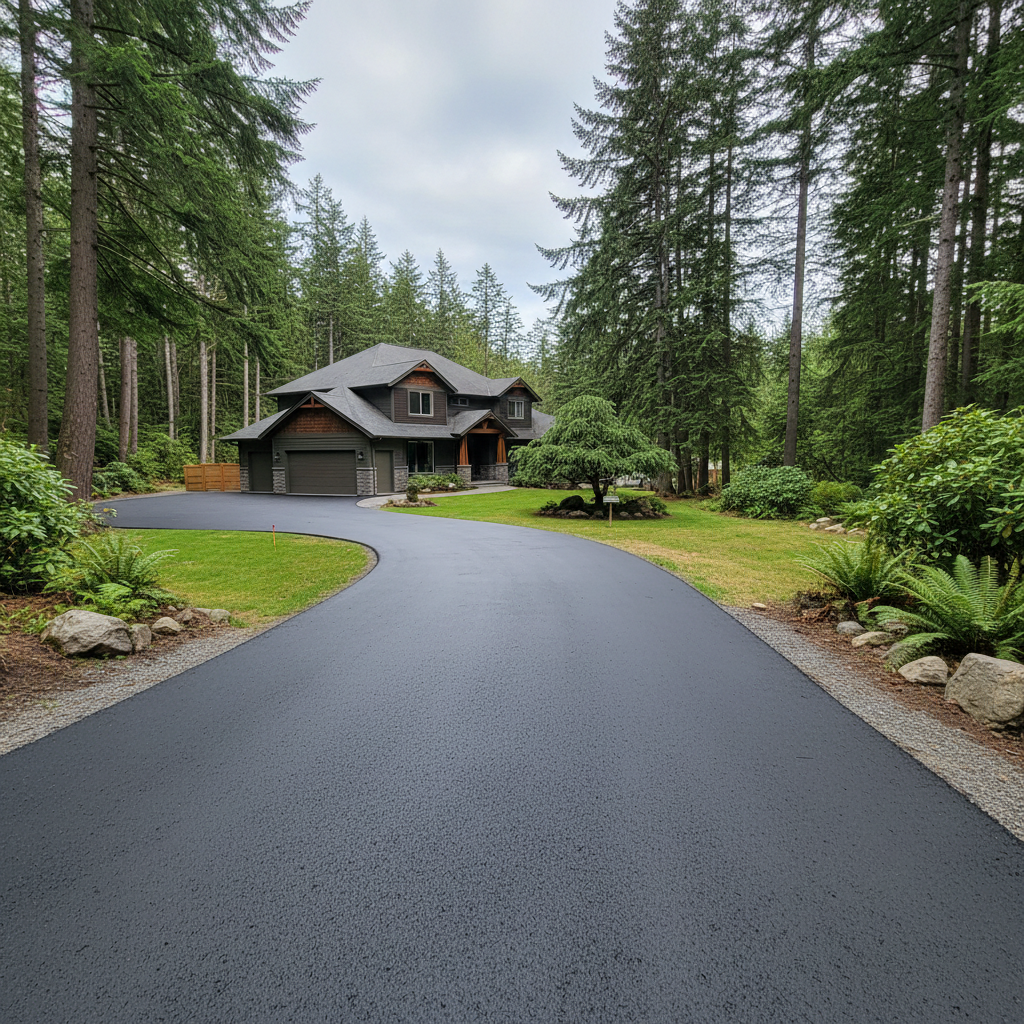
So, you've just put down a slurry coat on your driveway – smart move, really. It shields your asphalt, makes everything look brand new, and honestly, it just feels good when your property looks sharp. But that fresh, black surface? It's not totally hands-off. Especially here in Naselle, with our unique weather patterns, you really do need to keep an eye on it if you want it to last.
Making Your Slurry Coat Last Longer
The biggest thing you can do to get the most out of your slurry coat is let it cure right. I truly can't emphasize this enough. When we finish a job, we'll tell you exactly how long to stay off it. Generally, though, give it at least 24-48 hours before walking, and 72 hours – maybe even more if it's cool and damp – before you drive on it. Rushing this step is like building a house on a shaky foundation; it just won't hold up.
Once it's cured, start thinking about what's going on top of it. Heavy vehicles, sharp turns, or even parking in the same spot day after day can wear down the surface way faster. If you've got a heavy RV or a boat trailer, try to move it around sometimes. That constant pressure in one spot can create depressions or cracks over time. Also, please avoid dragging anything heavy across it – that's just asking for trouble, isn't it?
Oil and gas spills are another big one. They're absolute killers for asphalt and slurry coats. If you spill something, clean it up right away. Don't let it sit and soak in. A little dish soap and water, scrubbed gently, usually does the trick. Just don't use harsh chemicals or wire brushes; you'll only damage the coating.
Routine Upkeep: What You Should Do
Regular cleaning is your best friend. Here in Naselle, we get a lot of rain, which means moss and algae can really start to grow on surfaces that don't see much sunlight. You'll want to sweep or blow off leaves, dirt, and debris often. If moss or algae does start to show up, a gentle scrub with a stiff broom and a mild detergent solution (like a mix of bleach and water, but always test it in a hidden spot first) can help. Just make sure to rinse it really well afterward.
Don't use a pressure washer on a high setting. It can strip away the slurry coat, especially if it's an older application. If you absolutely have to use one, keep it on a low setting and hold the nozzle far away from the surface to prevent damage.
We also see a lot of organic stuff falling from trees around here, particularly pine needles and fir cones. They can trap moisture and encourage growth, so keeping them clear is important. If you've got a lot of shade, you might need to clean more often, that's just how it goes.
Signs of Trouble to Watch For
You're looking for a few key things that tell you your slurry coat might be struggling. The first is fading. If that deep black is starting to look gray or patchy, it's a sign the sun and elements are taking their toll. It doesn't mean immediate failure, but it's an early warning.
Cracks are the next big one. Small hairline cracks can pop up, especially as the ground shifts with our wet-dry cycles. If you see them, don't ignore them. They're entry points for water, and once water gets under the asphalt, it can freeze, expand, and cause much bigger problems. You might see alligator cracking, which looks like a network of small, interconnected cracks. That's a sign of deeper structural issues, often from a weak base or heavy traffic.
Potholes or depressions are obvious red flags. If water is pooling in certain areas, that's a problem. It means the surface isn't draining properly, and standing water will just speed up deterioration.
When to Call the Pros
You can handle the sweeping and the gentle scrubbing, but some things are best left to us pros. If you see those cracks I mentioned, especially anything wider than a quarter-inch, it's time to call. We can seal them properly before they turn into major headaches. Don't try to fill them with some off-the-shelf product that isn't designed for our climate; you'll likely just make it worse, frankly.
If you've got significant fading or wear, especially in high-traffic areas, it might be time for another slurry coat. This isn't a one-and-done deal for life; it's a protective layer that needs renewal every few years, depending on traffic and exposure. Think of it like repainting your house, really.
Any kind of significant damage, like a pothole forming or large sections of the slurry coat delaminating (peeling off), definitely warrants a call. That's usually a sign of a deeper issue with the asphalt itself, and we can assess the damage and recommend the best repair. Here at Premium Asphalt, we've seen it all, from minor wear to major blowouts, and we can tell you what's truly needed. Don't wait until a small problem becomes an expensive rebuild.