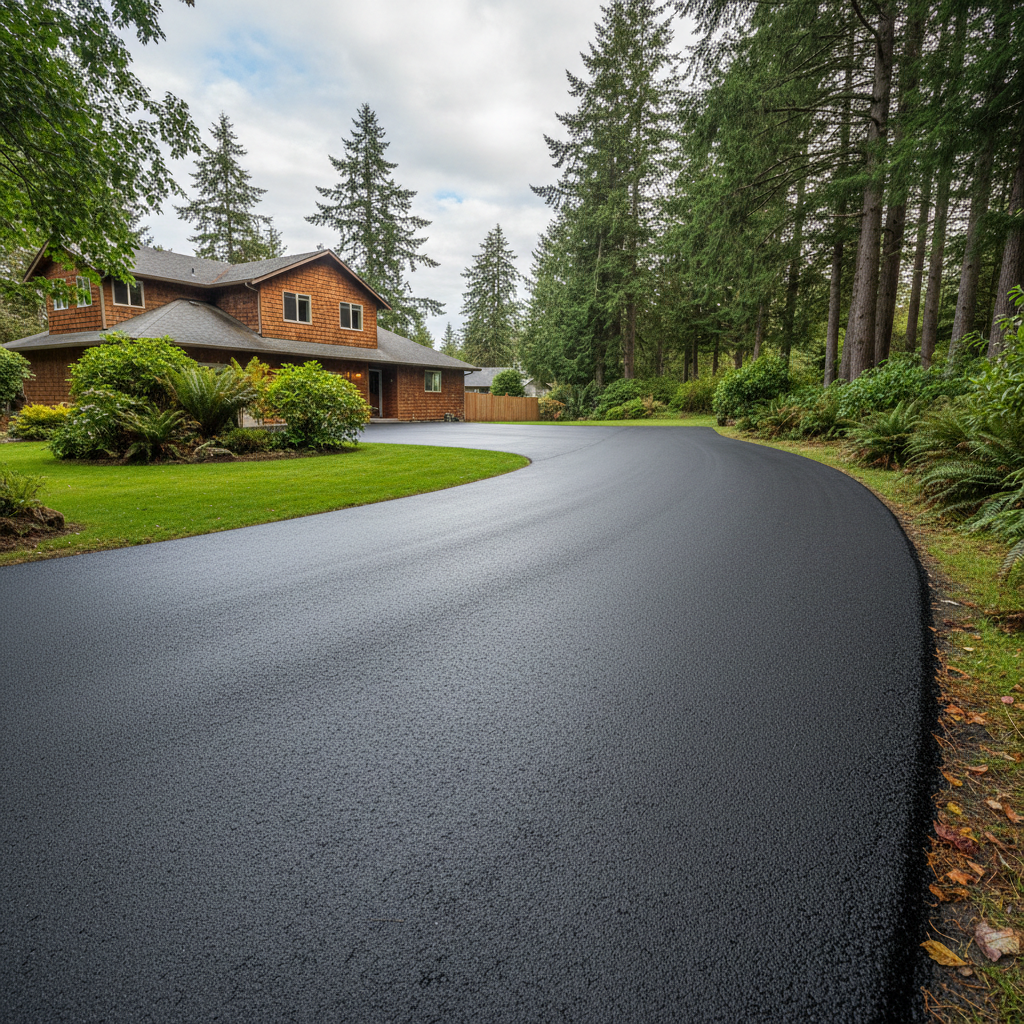
So, you just sealcoated your asphalt driveway, and wow, it looks fantastic. That deep, rich black finish really makes your property pop, doesn't it? But that fresh look isn't going to last forever on its own, especially not with the kind of weather we get here in Naselle. You've got to take care of it, plain and simple. Think of it like painting your house; you wouldn't just paint it and then never clean it or check for issues, right? Same goes for your driveway.
Extending Your Sealcoat's Life: It's All About Protection
The whole point of sealcoating is to protect your asphalt from the elements – sun, rain, oil, gas, you name it. But that protective layer itself needs a little help to do its job for as long as possible. The biggest enemy to a fresh sealcoat around here? Water. We get plenty of it. When water seeps into cracks, freezes, and expands, it's a real problem. So, the first rule of extending your sealcoat's life is to keep it clean and keep it sealed.
You'll want to avoid heavy vehicle traffic for at least 24-48 hours after application. Sometimes longer, especially if it's cool and damp, which it often is around here. Give that sealcoat a chance to cure properly. Don't park heavy RVs or trailers on it right away. And when you do start using it, try to avoid sharp turns with your steering wheel while the vehicle is stationary. That's called 'power steering scuffing,' and it can really tear up a fresh coat, particularly in the first few weeks.
Another big one is chemicals. Oil leaks, gasoline spills, antifreeze – these things eat away at asphalt and sealcoat. If you see a leak from your car, address it quickly. Clean up spills immediately with an absorbent material like cat litter, then sweep it up. Don't let it sit and soak in.
Regular Maintenance: Simple Steps for a Lasting Finish
Keeping your sealcoated driveway in top shape isn't rocket science, but it does require a little attention. You're not going to be out there every day, but a few routine checks can make a huge difference.
- Keep it Clean: Sweep off dirt, leaves, and debris regularly. This stops organic matter from breaking down on the surface, which can hold moisture and encourage moss growth. Around Naselle, with all our trees, this is a year-round job. A leaf blower works wonders.
- Wash it Down: Every few months, give your driveway a good wash with a hose and a mild detergent, especially if it's looking grimy. Just make sure to rinse it thoroughly. Don't use a pressure washer on a super high setting, as that can actually strip away the sealcoat if you're not careful.
- Address Weeds: Weeds pushing up through cracks are a common sight, especially in older asphalt. Pull them out by hand or use a weed killer. If you let them grow, their roots will expand existing cracks and create new ones.
- Small Crack Repair: This is huge. If you see a small crack, don't ignore it. Get some asphalt crack filler from the hardware store and seal it up. This is your first line of defense against water getting under the asphalt and causing bigger, more expensive problems down the road. You can do this yourself, it's not hard.
Think of it as preventative medicine for your driveway. A little effort now saves a lot of headaches and money later.
Warning Signs: When Your Driveway is Crying for Help
Your driveway will tell you when it's having problems; you just need to know what to look for. Don't wait until it's a major pothole to notice something's wrong.
- Fading Color: If your driveway is starting to look gray instead of black, that's a sign your sealcoat is wearing thin. It's losing its UV protection and isn't doing its job as well anymore.
- Numerous Small Cracks (Alligator Cracking): This pattern looks like alligator skin. It means the asphalt underneath is failing due to water penetration and freeze-thaw cycles. This is a more serious issue than a single crack.
- Potholes: These are obvious. They form when water gets under the asphalt, freezes, expands, and then traffic breaks away the weakened surface.
- Standing Water: If you have puddles that don't drain after a rain, it means your driveway has depressions. This can lead to accelerated wear and further damage.
- Loose Aggregate: If you're seeing small stones coming loose from the surface, your asphalt is deteriorating. The binder that holds it all together is failing.
Catching these early can save you from needing a full repave. A good sealcoat from Premium Asphalt should last you a few years, but regular inspection is key.
When to Call a Professional
While you can handle basic cleaning and small crack filling, there are times when you really need to bring in the pros. Don't try to tackle major repairs yourself unless you've got the right equipment and experience.
- Extensive Cracking: If you've got widespread alligator cracking or cracks that are wider than about a quarter-inch, a simple crack filler isn't going to cut it. You'll need professional crack routing and sealing, or even patching.
- Potholes: While you can buy cold patch, it's often a temporary fix. For a durable repair, a professional will cut out the damaged area, prepare the base, and lay hot asphalt.
- Drainage Issues: If you have persistent standing water, that's a sign of a sub-base problem or improper grading. This needs a professional assessment to fix the underlying issue, not just patch the surface.
- When it's Time to Reseal: Generally, you should plan to reseal your driveway every 2-3 years, depending on traffic, weather exposure, and the quality of the initial sealcoat. If you're seeing significant fading or minor surface wear, it's time to call us up. Don't wait until the asphalt itself is badly damaged.
- Before Winter: It's always a good idea to get any significant cracks or damage addressed before the really cold, wet weather sets in. Water getting into those cracks and freezing is what causes most of our major asphalt problems around here.
Taking care of your sealcoated driveway isn't just about aesthetics; it's about protecting your investment and ensuring your asphalt lasts as long as possible. A little proactive maintenance goes a long way in keeping your Naselle property looking great and avoiding costly repairs down the line.