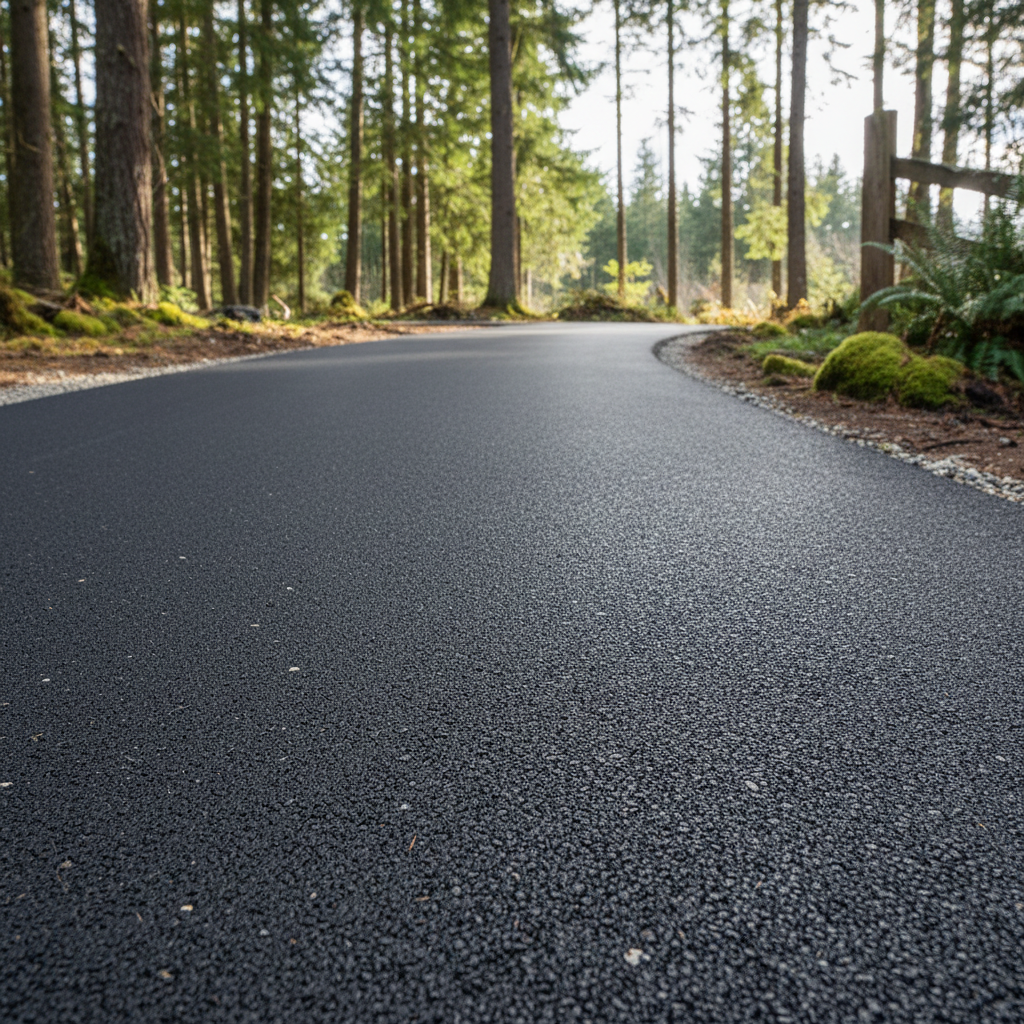
Alright, let's talk driveways. I've been doing this a long time, and whether you're up near the Naselle Youth Camp or down by the river, folks around here always have good questions when it comes to paving. It's a big investment, and you want to make sure you're doing it right. So, I figured I'd tackle some of the most common things I get asked. No fluff, just straight talk from someone who's seen it all.
What's the real difference between asphalt and concrete for a driveway?
This is probably the number one question I hear. Look, both asphalt and concrete can make a good driveway, but they're different beasts. Asphalt, which is what we mostly work with at Premium Asphalt, is flexible. It's made from aggregate — things like rock and sand — mixed with bitumen, a petroleum product. When it's hot, it's pliable; when it cools, it's strong but still has some give. That flexibility is a big deal around here, especially with our freeze-thaw cycles and the way the ground can shift. It handles movement better without cracking. Another perk? It's generally quicker to install, and you can drive on it sooner.
Concrete, on the other hand, is rigid. It's cement, water, and aggregate. It's super strong under compression, but it doesn't like to bend. If the ground underneath moves, or if you get a lot of freezing and thawing, concrete is more prone to cracking. And once it cracks, it's harder and more expensive to repair seamlessly. You also have to wait longer for it to cure before you can use it. For our climate, I usually lean towards asphalt for driveways because it's just more forgiving.
How long should a new asphalt driveway last around Naselle?
A well-installed asphalt driveway, properly maintained, should give you a good 15 to 20 years, sometimes even more. But that's with a few caveats. First, it's got to be put down right. That means proper grading, good drainage, and a solid base layer. We've got a lot of clay soil in some parts of Naselle, especially closer to the wetlands, so getting that base right is critical to prevent settling and water issues. Second, maintenance. You can't just pave it and forget it. Sealing it every 2-3 years protects it from UV rays, water, and chemicals, and helps keep it looking good and lasting longer. Oh, and quick repairs for any small cracks or potholes will stop them from turning into big, expensive problems.
What causes cracks and potholes, and can they be prevented?
Cracks and potholes are usually caused by a combination of things. Water is the biggest culprit. When water gets into tiny cracks in your asphalt and then freezes (which it does plenty of times in the winter around here), it expands and pushes the asphalt apart. Then it thaws, leaving a bigger void. Traffic over that weakened spot eventually causes the asphalt to break up, creating a pothole. UV rays from the sun also dry out the asphalt binder over time, making it brittle and more prone to cracking.
Prevention? Good drainage is key. Make sure water flows away from your driveway, not onto it or pooling on it. Regular sealing helps keep water out and protects against UV damage. And fixing small cracks with crack filler as soon as you see them is like putting a band-aid on a cut before it gets infected – it stops the problem from getting worse, right?
How much does a new asphalt driveway typically cost?
This is tough to give a single number for because it varies so much. It depends on the size of your driveway, the thickness of the asphalt you need, the condition of the existing base, and how much prep work is involved. For example, if we have to remove an old, failing driveway, that's more cost than just paving over a solid existing gravel base. Generally, you're looking at a per-square-foot cost, but that can fluctuate. The best way to get an accurate figure is to have us come out, take a look at your specific property, and give you a free estimate. We'll break down exactly what's included so there are no surprises.
Can I pave over my existing gravel driveway?
Sometimes, yes, you can. It really depends on the condition of that gravel. If your gravel driveway is well-compacted, has good drainage, and is relatively smooth and stable, it can often serve as an excellent base for a new asphalt layer. This can save you some money on excavation and base preparation. However, if the gravel is thin, has a lot of soft spots, or if there are drainage issues, we'll need to do some work to reinforce or rebuild the base first. We'd come out, assess it, and let you know what's feasible and what would give you the best long-term results.
What's involved in maintaining an asphalt driveway?
Maintaining your asphalt driveway isn't rocket science, but it does take a little attention. The main things are cleaning, sealing, and repairing. Keep it clean by sweeping off debris, leaves, and dirt – anything that can hold moisture. If you get oil or gas spills, clean them up quickly because those chemicals can break down asphalt. Sealing is super important, usually every 2-3 years. It puts a fresh protective layer over the asphalt, blocking UV rays and water penetration. And finally, address any cracks or potholes as soon as they appear. Don't let them sit. You can get crack filler at most hardware stores for small ones, or call us for bigger repairs. A little preventative maintenance goes a long way in extending the life of your driveway.
How long does it take to install a new asphalt driveway?
For most residential driveways, the actual paving process is surprisingly quick. Once the ground is prepped and the base is ready, we can often lay the asphalt in a day or two, depending on the size and complexity. The longest part of the whole job is usually the preparation – grading the area, ensuring proper drainage, and building up a solid base. That could take a few days, especially if there's old material to remove or a lot of earthwork needed. Once the asphalt is down, you'll typically need to stay off it for 24-48 hours to let it cool and harden completely before driving or parking on it. We'll give you specific instructions for your job, but it's usually a pretty fast turnaround from start to finish.
Hope that clears up some of your questions. If you've got more, don't hesitate to give us a call at Premium Asphalt. We're always happy to talk shop and help you figure out the best solution for your property.