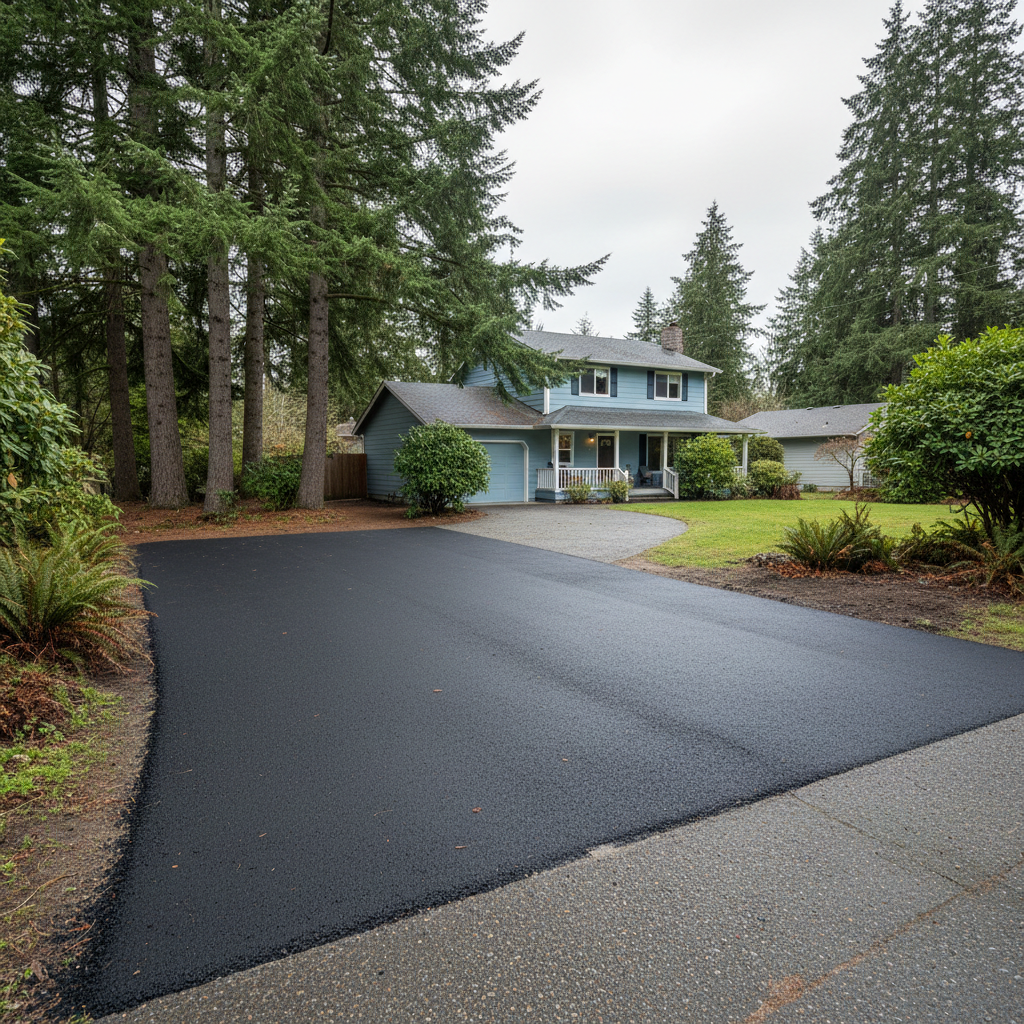
So, you've had some asphalt patching done, maybe on your driveway or a commercial lot right here in Naselle. Good on ya for taking care of those cracks and potholes before they got worse. But getting the patch put down is only half the battle, isn't it? If you want that repair to actually last, you've gotta give it a little love. Otherwise, you'll be calling us back sooner than you think.
Extending the Life of Your Asphalt Patch
The biggest thing you can do to make any asphalt patch last longer, especially around here, is to keep water from getting underneath it. Our rainy season, which runs from October right through May, is brutal on pavement. Water is asphalt's number one enemy. When it seeps into cracks, freezes, and then expands, it just tears things apart. That's why proper drainage around your patched area is so critical. Make sure downspouts aren't dumping water right onto the patch, and if you've got any low spots where water pools, you'll definitely want to address those.
Limiting heavy loads is another big one. If you've got a fresh patch, try to keep heavy trucks or equipment off it for at least a week — sometimes longer, depending on the patch material and the temperature. Even after it's cured, constantly driving heavy vehicles over a patched area, especially at the edges, will stress it. Think about where you're parking your RV or those delivery trucks, okay?
Finally, sealcoating. I know some folks think it's just for looks, but a good sealcoat protects your asphalt from UV rays and, more importantly, helps seal those tiny surface pores, keeping water out. Usually, you'd want to wait a few months after a patch is done before sealcoating. That just gives the patch time to fully settle and cure.
Regular Maintenance: What You Should Be Doing
Regular maintenance for an asphalt patch isn't rocket science, but it does require a little attention. You're basically looking for trouble before it becomes a big problem.
- Keep it Clean: Sweep off dirt, leaves, and debris regularly. Organic matter holds moisture, and moisture is bad news. Plus, dirt can get ground into the surface, causing wear.
- Watch for Weeds: Weeds and grass just love to grow in cracks. If you see them popping up in or around your patch, pull 'em out. Their roots can widen cracks and undermine the asphalt. A little weed killer can help too, just make sure it's safe for asphalt.
- Inspect After Storms: After a heavy rain or a freeze-thaw cycle, take a walk over your patched area. Look for any new cracks, shifting, or signs of water pooling. This is especially important in the winter when we get those quick temperature swings that really stress pavement.
- Address Small Cracks Promptly: If you see new, small cracks forming on or around the patch, don't ignore 'em. A good quality crack filler can seal these up and prevent water from getting in. You can usually do these yourself if they're small enough.
Warning Signs That Your Patch Needs Help
You don't need to be an asphalt expert to spot problems. Your patch will tell you when it's not happy. Here's what to look out for:
- New Cracks: Any new cracks appearing on the patch itself, or radiating out from its edges, are a red flag.
- Sinking or Raveling: If the patch starts to sink below the surrounding pavement, or if you see small pieces of aggregate (the little rocks) coming loose, that's a sign of failure.
- Water Pooling: If water is consistently pooling on the patched area after rain, it means the patch isn't draining correctly, or it's settled unevenly.
- Soft Spots: If you walk on the patch and it feels spongy or soft, that's a serious issue. It usually means water has gotten underneath and is compromising the base layer.
- Patch Separation: The patch should be well-bonded to the surrounding asphalt. If you see the edges lifting or separating, that bond has failed.
When to Call a Professional
Look, I'm all for folks doing what they can themselves, but some jobs are just too big or too complex. You should definitely call a professional, like us at Premium Asphalt, if you see any of these warning signs:
- Large or Numerous Cracks: If you've got cracks wider than a quarter-inch, or a whole network of spiderweb cracks, that's beyond a DIY fix.
- Significant Sinking or Heaving: If the patch has settled more than an inch, or if it's heaving up, you've got a serious sub-base issue that needs professional attention.
- Persistent Water Pooling: If you've tried to fix drainage issues and water is still pooling on the patch, we need to assess the grade and possibly re-do the patch.
- Soft or Failing Base: This is a big one. If the patch feels soft or you can see the base material failing, you're looking at a more extensive repair that requires excavation and proper compaction.
- Anytime You're Unsure: Honestly, if you're looking at your patch and just have a gut feeling something's not right, give us a call. It's always better to catch these things early. We're happy to come out, take a look, and give you an honest assessment. Sometimes it's a simple fix, sometimes it's more, but you'll know where you stand.
Taking care of your asphalt patches isn't just about making them look good; it's about protecting your property and preventing more expensive repairs down the line. A little proactive maintenance goes a long way, especially with our unique Naselle climate trying to undo all our hard work.