Can I even use commercial-grade asphalt for my home driveway?
You bet you can, and a lot of folks around Naselle do. When we talk about “commercial-grade” asphalt, we’re usually talking about the mix itself. It’s built to handle heavier loads and more frequent traffic than a standard residential blend. Think about those big logging trucks or delivery vehicles that might roll down your long driveway, especially if you’re out past the Willapa River where properties tend to be bigger. A commercial mix often has a higher percentage of aggregate — that’s the rocks and sand — and a specific binder content designed for durability. It’s just tougher, plain and simple. It’s not only for parking lots; it’s for any surface that really needs to stand up to a lot of abuse. So, if you’ve got a long, busy driveway, or you’re parking heavy equipment, it's definitely an option worth considering.
What's the real difference in cost between commercial and residential asphalt?
Alright, let's talk brass tacks. You’d expect commercial-grade asphalt to cost more, and generally, it does. The materials themselves can be a bit pricier because of the specific aggregate sizes and binder ratios. But honestly, the biggest cost difference often comes down to the thickness and the preparation. Commercial jobs usually involve thicker layers of asphalt and a much stronger sub-base. That means more material, more digging, and more labor. For a residential driveway, we might typically lay down 2-3 inches of asphalt on a good base. For a commercial application, you could be looking at 4-6 inches, sometimes even more, depending on the expected load. So, it's not just the asphalt mix itself; the whole system gets beefed up. You’re paying for that extra strength and longevity. It’s an investment, really.
Will commercial asphalt last longer on my property than residential?
In most cases, yes, it absolutely will. That’s the main reason folks choose it. Because it’s designed for higher traffic and heavier loads, it’s inherently more resistant to cracking, rutting, and general wear and tear. Think about the constant rain we get here in Naselle; water penetration is a big deal for asphalt. A denser, thicker commercial mix can handle that better, reducing the chances of water seeping in and causing damage from freeze-thaw cycles, even though our winters aren't super harsh. It’s built to take a beating and keep on performing. While a well-installed residential driveway can last 15-20 years with proper maintenance, a commercial-grade one, installed correctly, can easily push past 25 years, sometimes even 30, especially if you keep up with sealcoating.
Does it look different? Will it clash with my home?
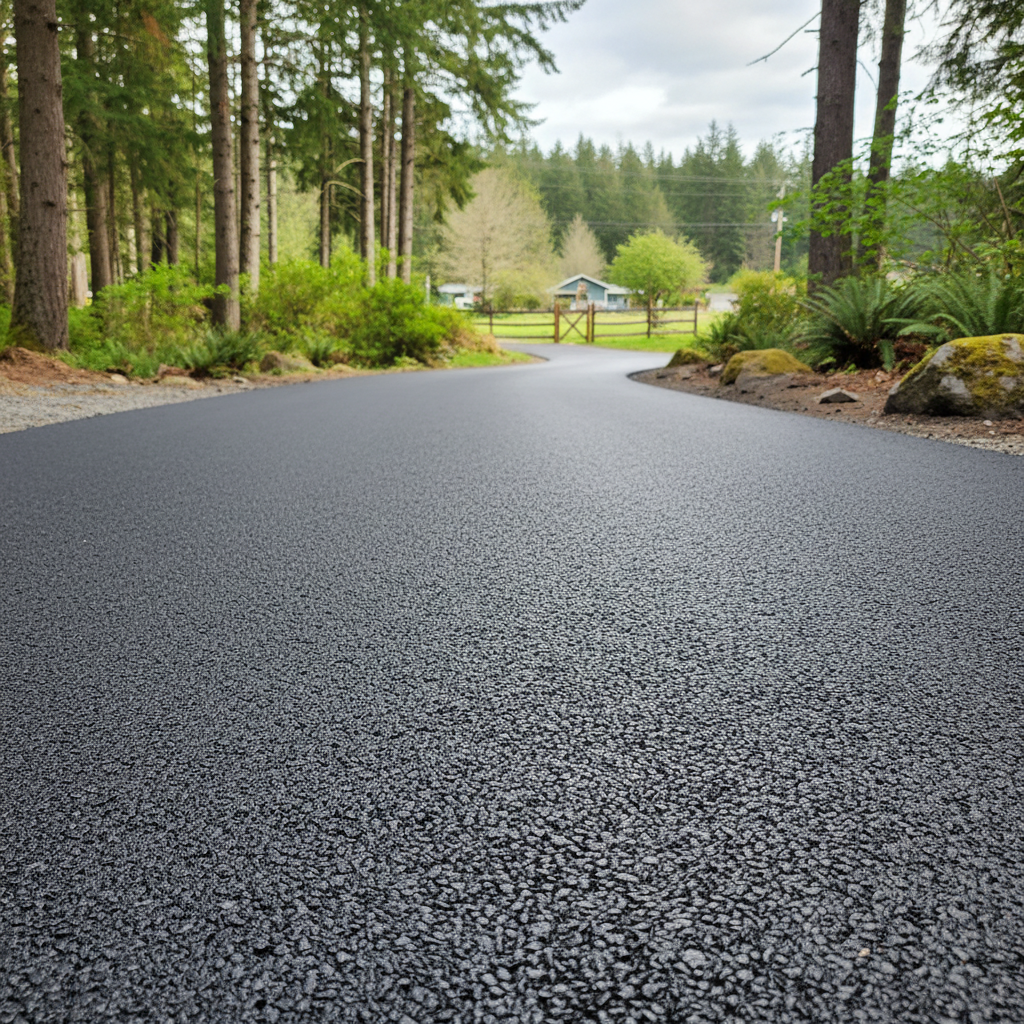
Not really, no. Visually, you won't notice a huge difference between a freshly paved residential driveway and one done with a commercial mix. They both start out as that deep, rich black. The difference is in the composition, not the color or texture you see on the surface. It's not like it's going to look like a shopping mall parking lot, if that's what you're worried about. It’ll still have that smooth, clean finish you expect from a quality asphalt job. The aesthetic appeal is the same; the underlying strength is what's enhanced. So, you get the best of both worlds: a great looking surface and a super durable one.
What kind of base preparation is needed for commercial asphalt on a residential property?
This is where a lot of the durability comes from, no matter the asphalt type, but especially with commercial mixes. For a commercial-grade asphalt surface, you need a really solid foundation. We’re talking about proper excavation, making sure drainage is good, and then laying down a substantial aggregate base. This base needs to be compacted thoroughly, often in layers, to create a stable, unyielding platform for the asphalt. If your property has that soft, clay-heavy soil we sometimes see around the Naselle River floodplains, this base prep becomes even more critical. You can't just dump commercial asphalt on a flimsy base and expect it to perform. The base is what distributes the weight and prevents settling and cracking. It's probably the most important part of the whole job, and we at Premium Asphalt don't cut corners here.
Are there any downsides to using commercial asphalt for a home?
The main downside, as we touched on, is the upfront cost. It’s a bigger investment initially. Another thing to consider is that because it’s a denser mix, it might take a little longer to cure completely, especially in cooler, damp weather. But that's a minor point. For most homeowners, if you're looking for maximum durability and longevity, and your budget allows for it, the