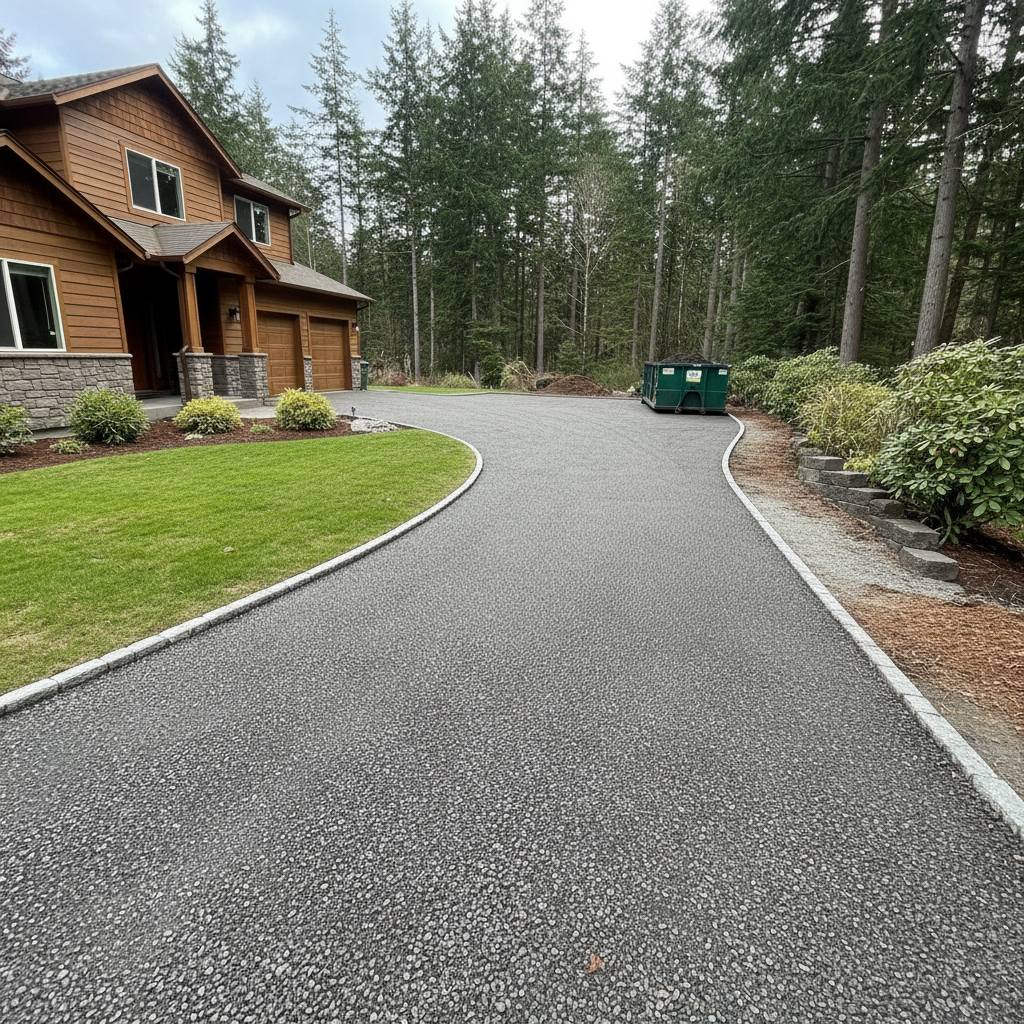
So, you're thinking about asphalt milling for your place. Maybe that old driveway is falling apart, or you've got a private road that's seen better days, and you're trying to figure out if milling is the right first step. Honestly, it's a smart move for a lot of folks right here in Naselle, especially when you're working with an asphalt surface that still has some life left but just needs a good refresh.
I've been in this business for a long time, and I've seen firsthand how a well-thought-out milling project can save you a ton of headaches and money down the road. Let's dig into what that planning actually looks like, shall we?
Project Timeline: What's the Deal?
You're probably wondering how long this whole process takes. Well, it's not an overnight miracle, but it's usually a lot quicker than tearing everything out and starting fresh. Here’s a general idea of what to expect:
- First Chat & Quote (1-2 weeks): First things first, you’ll get in touch with an asphalt contractor like us at Premium Asphalt. We’ll swing by, check out your site – that means looking at the size of the area, how the existing asphalt is holding up, drainage, and any specific challenges, like that soft, clay-rich soil we often run into around Naselle. We’ll talk about what you want to achieve and then give you a detailed quote. Don't rush this part; make sure you understand every single thing.
- Getting on the Schedule (2-4 weeks out): Once you give us the green light on the quote, we'll get you penciled in. Weather, as you know, plays a huge role here in the Pacific Northwest, so we're always keeping an eye on the forecast. We really want dry conditions for the best results, especially for that new layer of asphalt that goes down after we mill.
- Milling Day(s) (1-3 days): The actual milling itself is pretty efficient. For most residential driveways or smaller private roads, it’s often done in a single day. Bigger areas might need a couple of days, no biggie. We roll in the milling machine, which just grinds up the top layer of asphalt.
- Cleanup & Prep for Paving (1 day): After the milling is done, we'll clean up the site, haul away all that milled material (which, by the way, often gets recycled!), and get the base all ready for the new asphalt overlay.
- Paving Day (1-2 days): This is when the new, hot asphalt goes down. Again, if the weather cooperates, this can be a quick process, but it absolutely has to be done right.
- Curing (Days/Weeks): The new asphalt needs some time to cure, you know, really settle in. You can usually drive on it pretty fast, but it’s best to avoid heavy vehicles or making sharp turns for a few days. And definitely don't park those heavy RVs or trailers on it for a week or two.
What Actually Happens During Milling?
Okay, so you've hired us, we're on site, what does it actually look like? A big machine, often called a cold planer or milling machine, comes in. This machine has a spinning drum with a bunch of super tough carbide teeth. It grinds off the top layer of your existing asphalt to a specific depth we set. We can go shallow, just taking off the very top, or deeper if there's more serious damage. The depth really depends on how your current pavement looks and what you're trying to accomplish.
As the machine mills, it collects all the removed asphalt. We call this 'millings' or 'RAP' (Recycled Asphalt Pavement). This stuff is actually pretty valuable! It often gets used for gravel roads, shoulders, or even mixed into new asphalt. So, it's a pretty environmentally friendly process, too, which is nice.
The main goal is to create a nice, consistent, level surface that's totally ready for a fresh layer of asphalt. Think of it like giving your old driveway a good haircut and a clean slate for a new topcoat.
How to Get Your Property Ready
You don't have to do a whole lot, but a little prep on your end helps us work quickly and safely:
- Clear the Area: Move any vehicles, trailers, boats, or anything else you don't want near big, heavy machinery. That includes garden hoses, planters, kids' toys, you name it.
- Mark Sprinkler Heads/Utilities: If you've got any underground sprinkler heads, invisible dog fences, or shallow utility lines near the edge of your driveway, mark them really clearly with flags or bright paint. We're careful, but it's always better to be safe than sorry.
- Trim Overhanging Branches: If there are low-hanging branches that might get in the way of tall equipment, give them a trim.
- Tell Your Neighbors: It's a noisy job, no two ways about it. Letting your neighbors know when to expect the work can save you from complaints later.
- Plan for Access: You won't be able to use your driveway during the milling and paving days. Figure out where you'll park your cars and how you'll get in and out of your house.
Questions to Ask Before You Sign
Don't just jump at the first quote you get. Ask questions, lots of them. Any good, reputable asphalt contractor, like Premium Asphalt, will be happy to answer. Here are some solid ones:
- What depth will you be milling to? Make sure it matches what you expect and the condition of your current pavement.
- How will you handle drainage? Milling can sometimes change how water flows. You want to be sure water will still go away from your house and not just sit there.
- What happens to the millings? Do they get hauled away? Can I keep some for a gravel path, perhaps?
- What's all included in the price? Get a really detailed breakdown. Does it cover site prep, milling, hauling away debris, the new asphalt overlay, and compaction?
- What kind of warranty do you offer on the new asphalt? A good contractor stands behind their work, period.
- Are you licensed and insured? Always, always ask for proof. You definitely don't want to be on the hook if something goes wrong.
- Can you give me some references? Talk to other homeowners they've worked for.
Milling is a fantastic way to make your asphalt last longer and get a fresh, smooth surface without the big cost and disruption of a full replacement. Do your homework, ask the right questions, and you'll be really happy with the outcome.